

How Can Professional Junk Removal Services Help Keep Canadian Properties Clutter-Free?
Unwanted furniture, broken appliances, renovation debris, and general household waste can quickly take over valuable space. For homeowners, renters, landlords, and business owners, managing this clutter can become difficult when items are too large to move or there is no suitable way to dispose of them.
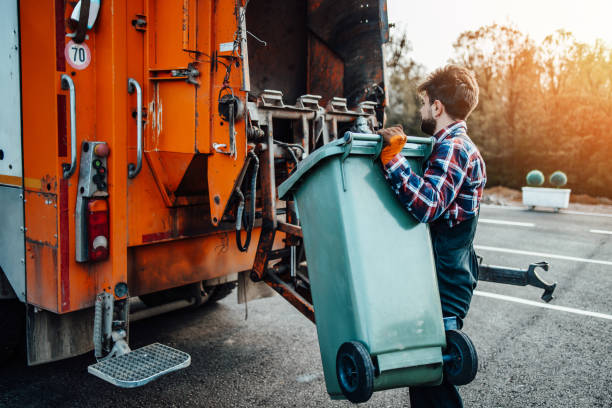
Junk removal services provide a practical way to clear unwanted belongings from residential and commercial properties. Professional removal teams handle collection, loading, transportation, and disposal, helping property owners maintain cleaner and more organised spaces. Choosing a suitable provider also makes it easier to separate reusable materials from items that need recycling or disposal.
Why Does Property Clutter Build Up?
Clutter often develops gradually as unwanted items collect in storage areas, garages, offices, basements, and outdoor spaces. Furniture may become outdated, appliances may stop working, and renovation projects can leave behind materials that are difficult to manage.
Without regular removal, these items can limit usable space and make property maintenance harder. A planned removal schedule helps prevent unwanted belongings from accumulating.
Common Sources of Residential and Commercial Clutter
Different properties generate different types of unwanted materials.
- Residential properties: Old furniture, mattresses, appliances, household rubbish, and unwanted belongings.
- Rental properties: Abandoned furniture, damaged household items, and waste left behind after a tenancy.
- Commercial buildings: Office desks, chairs, shelving, electronic equipment, and packaging waste.
- Construction sites: Wood scraps, drywall, metal pieces, and renovation debris.
- Outdoor spaces: Broken garden furniture, unwanted equipment, and general yard waste.
Identifying the source of clutter makes it easier to decide what should be removed, donated, recycled, or kept.
How Professional Junk Removal Makes Property Clearing Easier
Removing bulky items requires time, transportation, and physical effort. Some materials also need special handling because of their size, weight, or composition.
Professional removal teams help manage these tasks through an organised collection process. Property owners can arrange a suitable appointment rather than handling every removal task themselves.
Collection, Loading, and Transportation
A typical professional removal service involves several steps:
- Initial assessment: The provider reviews the items, their quantity, and the access conditions.
- Price estimate: Customers receive information about expected charges and service inclusions.
- Collection scheduling: A suitable pickup time is arranged.
- Loading and removal: Workers collect the approved items and load them for transportation.
- Sorting and disposal: Suitable materials are directed towards donation, recycling, or appropriate disposal facilities.
This process reduces the amount of work required from property owners and helps keep removal tasks organised.
Residential Junk Removal for Cleaner Homes
Homes often contain bulky belongings that are difficult to move without help. Old sofas, mattresses, cabinets, broken appliances, and unwanted household items can take up space that could be used for storage or everyday activities.
Residential junk removal helps homeowners and renters clear these materials without arranging separate transportation for every item.
Household Items Commonly Removed
Professional residential removal providers may collect:
- Sofas, chairs, tables, and other furniture.
- Mattresses, bed frames, and box springs.
- Refrigerators, washers, dryers, and other appliances.
- Televisions and selected electronic equipment.
- Garage clutter and unwanted storage items.
- Renovation debris and general household junk.
The accepted items depend on the provider’s services. Hazardous materials, chemicals, and certain electronic components may require specialised disposal.
How Regular Removal Helps Homeowners and Renters
Keeping residential spaces organised offers several practical advantages.
- More usable space in garages, basements, and storage rooms.
- Easier access to household areas and maintenance points.
- Less accumulation of damaged or unwanted belongings.
- Better preparation for moving, renovation, or property sale.
- Reduced physical effort when removing large items.
Regularly reviewing stored belongings can also prevent clutter from returning.
Commercial Junk Removal for Organised Workspaces
Businesses generate waste through office upgrades, equipment replacement, renovations, and everyday operations. Unwanted desks, chairs, shelving, packaging, and outdated equipment can interfere with available workspace.
Commercial junk removal helps business owners and property managers clear these materials while planning collection around their operating requirements.
Items Removed From Commercial Properties
Commercial removal services may include:
- Office desks, chairs, and filing cabinets.
- Reception furniture and storage units.
- Shelving, display fixtures, and retail equipment.
- Selected electronic equipment and appliances.
- Packaging materials and general commercial waste.
- Renovation debris and unwanted building materials.
Businesses should confirm whether their provider accepts electronic waste, confidential materials, and specialised commercial equipment.
Residential and Commercial Removal Compared
| Service Type | Common Items | Main Purpose |
|---|---|---|
| Residential removal | Furniture, mattresses, appliances | Maintain clean and usable living spaces |
| Rental property removal | Abandoned belongings, damaged items | Prepare units for new occupants |
| Office removal | Desks, chairs, cabinets | Clear and reorganise workspaces |
| Retail removal | Shelving, display fixtures | Create usable commercial space |
| Renovation removal | Wood, drywall, selected debris | Clear materials after improvement work |
Why Responsible Junk Disposal Matters
Removing unwanted items is only one part of property maintenance. How those materials are handled after collection also matters.
Some belongings can be reused, while others contain materials that can be recovered through recycling. Sending everything to general waste facilities may result in useful resources being lost.
Donation, Recycling, and Proper Disposal
Responsible disposal involves choosing suitable destinations based on the condition and type of material.
- Donation: Furniture, clothing, and household goods in usable condition may be suitable for charities.
- Recycling: Metals, cardboard, and accepted electronic materials can be directed to appropriate recycling facilities.
- Reuse: Certain items can be repaired or used again instead of being discarded.
- Waste disposal: Broken or unsuitable materials should go to approved disposal facilities.
Canadian waste management rules differ between provinces and municipalities. Property owners should check local requirements, particularly for hazardous materials, electronics, paint, and batteries.
Materials That May Require Special Handling
| Material | Disposal Consideration |
|---|---|
| Electronics | Use suitable electronic waste recycling programmes |
| Batteries | Take them to accepted battery collection points |
| Paint and chemicals | Follow local hazardous waste instructions |
| Refrigerators | Require appropriate refrigerant handling |
| Construction debris | Separate materials according to facility rules |
| Furniture | Donate or recycle suitable components where possible |
A removal provider should explain which items it accepts and which materials need separate arrangements.
How to Arrange Junk Removal in Edmonton and Other Canadian Areas
The booking process should begin with a clear list of items that need removal. This helps the provider estimate the amount of work and identify any special collection requirements.
Customers should also check whether the company serves their location and offers the specific services they need.
Finding a Suitable Local Removal Provider
When comparing providers, consider these points:
- Service area: Confirm that the company operates in your city or community.
- Accepted materials: Check whether furniture, appliances, renovation debris, and other items are included.
- Pricing: Request an estimate and ask about extra charges.
- Scheduling: Confirm appointment availability and expected collection times.
- Disposal practices: Ask whether suitable items are donated or recycled.
- Property access: Explain stairs, narrow hallways, parking restrictions, or oversized items.
For Edmonton residents, junk removal in Edmonton can help with residential and commercial property clearing. Local service availability and accepted materials should be confirmed directly with the provider before booking.
What Can Property Owners Do to Prevent Clutter From Returning?
Professional removal helps clear existing unwanted items, but regular organisation keeps the property manageable afterwards. A few simple habits can reduce the need for large cleanouts.
Practical Clutter Management Habits
- Review storage areas at regular intervals.
- Avoid keeping broken appliances and furniture without a clear repair plan.
- Separate recyclable materials from general rubbish.
- Donate usable belongings that are no longer needed.
- Arrange removal after major renovation or moving projects.
- Keep commercial storage and work areas organised.
- Set aside a designated area for items awaiting collection.
These habits help prevent unwanted belongings from occupying valuable space again.
How Junk Masterz Supports Property Clearing
Junk Masterz provides junk removal and hauling services for residential and commercial customers in Edmonton and surrounding communities. Its services include furniture removal, appliance removal, household junk collection, and renovation debris removal.
The company also highlights donation and recycling options for suitable materials. This gives property owners an option for clearing unwanted belongings while considering responsible disposal.
Before arranging a collection, customers can discuss the item types, quantity, property access, and estimated costs with the team. Confirming these details helps make the booking process clearer.
Frequently Asked Questions (FAQs)
1. What items can professional junk removal companies collect?
Many providers collect unwanted furniture, mattresses, appliances, household clutter, selected electronics, and renovation debris. Accepted materials vary, so customers should confirm the list before booking.
2. How often should homeowners arrange junk removal?
There is no fixed schedule for every property. Homeowners can arrange collection when unwanted items begin taking up useful space, after renovations, or before moving. Regular reviews of storage areas help prevent large clutter build-ups.
3. Is commercial junk removal suitable for small businesses?
Yes. Small businesses can use commercial removal services to clear old office furniture, shelving, equipment, and unwanted materials. Collection can be arranged according to the business’s requirements and provider availability.
4. How does Junk Masterz help keep properties clutter-free?
Junk Masterz offers residential and commercial junk removal services, including furniture, appliance, and general household item removal. The company also provides donation and recycling options for suitable materials.
5. What happens to junk after professional removal?
Collected items may be sorted for donation, reuse, recycling, or appropriate disposal. The final destination depends on the material, its condition, and local waste management requirements. Customers can ask their provider about its disposal practices before booking.
Final Thoughts
A clutter-free property is easier to maintain, organise, and use. Regularly removing unwanted furniture, appliances, and waste helps homeowners, renters, landlords, and businesses make better use of available space.
Professional junk removal services can reduce the time and physical effort involved in clearing unwanted belongings. Choosing a provider with clear pricing, suitable collection options, and responsible disposal practices helps keep property maintenance manageable.