

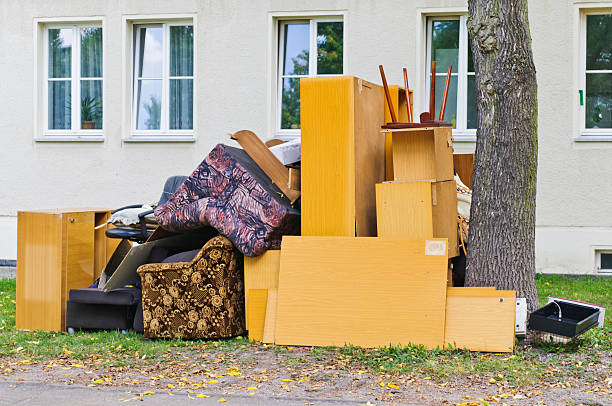
How Much Do Debris Removal Services in Edmonton Cost?
The cost of debris removal can vary widely depending on the amount, type, weight, and location of the material being removed. Home renovations, construction projects, property cleanouts, and demolition work can all produce different amounts of waste. debris removal services in Edmonton can help with the collection, loading, hauling, sorting, and disposal of eligible materials.
There is no single price that applies to every debris removal job. Understanding the factors behind the cost can help homeowners, contractors, renovators, landlords, and property managers plan their cleanup more effectively.
What Are Debris Removal Services in Edmonton?
Debris removal services are designed to collect and remove unwanted materials left after construction, renovation, demolition, landscaping, or property cleanup work. The service can cover the physical work of gathering materials, loading them, transporting them, and handling them through suitable disposal channels.
The exact service depends on the type of debris and the provider’s accepted-material policy. Before booking, it is useful to identify what needs to be removed and whether any materials require special handling.
What Is Included in Debris Removal?
Professional debris removal may include several steps rather than transportation alone. Depending on the service, the process can include collecting loose materials, lifting and loading debris, hauling it away, sorting suitable materials, and arranging disposal or recycling.
Customers should confirm what is included in the service before receiving a quote. This helps avoid confusion about labor, transportation, disposal, and additional charges.
Construction Debris Removal in Edmonton
Construction projects can produce materials such as wood, drywall, packaging, and other project-related waste. The quantity and weight of these materials can affect the amount of labor and transportation required.
Construction debris removal in Edmonton can be useful when the amount of waste is too large for regular household garbage collection or when a project needs a dedicated cleanup solution.
Renovation and Demolition Debris Removal
Renovation and demolition work can generate a mixture of materials that require removal after a project stage is completed. The type of material, volume, and loading requirements can all influence the cost.
Some materials may also have specific handling or disposal requirements. Confirming accepted materials in advance is important when planning renovation cleanup or demolition debris removal.
How Much Does Debris Removal Cost in Edmonton?
Debris removal pricing is usually based on the details of the specific job rather than one fixed rate. The amount of debris, material type, labor, access, transportation, and disposal requirements can all affect the final amount.
For this reason, a quote based on the actual project is generally more useful than relying on a general price estimate.
Why Debris Removal Costs Vary
Two debris removal jobs can have very different requirements even when both involve a similar type of cleanup. One job may have a small amount of lightweight material, while another may involve heavy debris that requires more labor and disposal planning.
The location of the debris also matters. Materials that are easy to access and load may require less time than debris located in difficult-to-reach areas.
Typical Factors That Affect the Final Cost
Common cost factors include:
Cost Factor | How It Can Affect Pricing |
|---|---|
Volume | More debris generally requires more vehicle space and handling |
Material type | Different materials can have different handling needs |
Weight | Heavy materials can increase labor and transportation requirements |
Labor | More loading and lifting can increase service requirements |
Accessibility | Difficult access may require additional time |
Disposal | Disposal or recycling requirements can vary by material |
Project size | Larger projects may require more time and resources |
Debris Disposal Cost vs. Removal Cost
Removal and disposal are related but are not always the same part of the service. Removal generally covers the work involved in collecting, loading, and transporting debris.
Disposal costs relate to what happens after the material has been collected. Certain materials may have different processing or disposal requirements, which can affect the overall price.
What Factors Affect the Cost of Debris Removal?
A clear understanding of the main pricing factors can make it easier to plan a project. The most important considerations usually involve how much material exists, what it is made of, how difficult it is to remove, and how it needs to be handled afterward.
Before requesting a quote, gather as much information about the debris as possible.
Volume and Amount of Debris
The total amount of debris is one of the key factors in determining removal requirements. A larger volume may take more loading time and require greater vehicle capacity.
Organizing debris into one accessible area, when practical and safe, can also make assessment and loading easier.
Type and Weight of Materials
Not all debris weighs the same or requires the same handling. Heavy materials can require more physical effort and may affect transportation requirements.
The material type can also determine whether standard disposal is appropriate or whether another disposal route is needed.
Labor and Loading Requirements
Labor is another important part of debris removal pricing. Loose debris that is easy to access may require less work than materials that need to be gathered, moved, or carried from difficult locations.
The amount of manual loading required should be discussed when arranging the service.
Property Access and Location
Access can influence the time needed to complete a removal job. Narrow entrances, stairs, long carrying distances, limited parking, or other access challenges may require additional work.
Providing accurate information about the property helps the removal provider plan the job more effectively.
Disposal and Recycling Fees
Different materials can have different disposal requirements. Some materials may be suitable for recycling or reuse, while others may need to go through appropriate disposal channels.
These requirements can affect the overall cost of the service.
Project Size and Cleanup Requirements
The size of the project can affect both the amount of debris and the time required to remove it. A small renovation cleanup and a larger demolition project may require very different resources.
Clearly describing the project helps create a more accurate assessment.
What Is Included in Professional Debris Removal Services?
Professional debris removal is intended to reduce the physical work involved in clearing unwanted material. Depending on the service, it can cover the process from collection through transportation and disposal.
The exact scope should be confirmed before the job begins so that the customer understands what the service includes.
Debris Collection and Loading
The removal crew can collect eligible debris and load it into the appropriate vehicle. This can reduce the need for customers to move heavy or bulky materials themselves.
Transportation and Hauling
Once the debris is loaded, it needs to be transported away from the property. Professional hauling eliminates the need for customers to arrange their own suitable vehicle for larger cleanup jobs.
Sorting and Material Handling
Sorting can help identify materials that may have different disposal requirements. Proper material handling can also help keep unsuitable items out of recycling or general disposal streams.
Recycling, Reuse, and Disposal
Where appropriate, materials may be directed toward recycling, reuse, donation, or disposal. The available option depends on the material, condition, and applicable requirements.
If you are searching for debris removal near me, confirm whether the provider can handle all the materials in your cleanup before scheduling service.
How to Estimate Your Debris Removal Cost
Although an exact cost requires information about the specific job, you can prepare useful details before requesting a quote. A simple assessment can help the provider understand the amount of work involved.
The more accurate the information you provide, the easier it can be to discuss the expected service requirements.
Step 1: Identify the Type of Debris
Start by listing the materials that need to be removed. Separate construction materials, renovation waste, household items, and other categories where possible.
Step 2: Estimate the Volume
Estimate how much debris needs to be removed. You can describe the approximate number of bags, piles, boxes, or other measurable quantities.
Step 3: Check the Weight and Material Requirements
Consider whether the debris contains particularly heavy materials. Also identify any items that may require special handling or disposal.
Step 4: Consider Access and Loading Conditions
Note where the debris is located and how easily a removal crew can reach it. Mention stairs, narrow access points, long carrying distances, or other conditions that may affect loading.
Step 5: Ask About Disposal and Additional Fees
Before confirming service, ask what the quote includes. Clarify whether labor, transportation, disposal, recycling, and other applicable costs are included.
Debris Removal Cost Estimation Checklist
A simple checklist can help you prepare before contacting a debris removal provider. Having these details available can make the quote discussion clearer and reduce the chance of missing important information.
Use the following points to organize your project information.
Type of Debris
List the main materials that need to be removed and identify any materials that may require special handling.
Estimated Volume
Estimate the total amount of debris as accurately as possible. Photos can also help communicate the approximate scale of the cleanup.
Number of Loads
For larger projects, consider whether the volume may require more than one load. The removal provider can determine the appropriate transportation requirements.
Loading Requirements
Identify whether the debris is loose, bagged, stacked, or spread across the property. This can help estimate the labor needed.
Accessibility
Explain how the removal crew will access the materials. Mention stairs, narrow areas, distance from the vehicle, or other relevant conditions.
Disposal Requirements
Ask whether specific materials need recycling, specialized disposal, or other handling. This can help clarify the overall service cost.
DIY Debris Removal vs. Professional Debris Removal
DIY removal can appear simple when the amount of debris is small. However, larger projects can involve transportation, lifting, sorting, and disposal tasks that require additional time and resources.
Comparing the full requirements can help you determine which approach fits your project.
Transportation and Equipment Costs
DIY removal may require access to a suitable vehicle and equipment. Rental costs, fuel, loading tools, and other expenses can add to the overall project cost.
Time and Physical Labor
Moving debris requires physical work and can take significant time. Larger quantities may require several trips and additional help.
Disposal and Sorting Responsibilities
With DIY removal, you are generally responsible for determining where materials can be taken and how they should be sorted. This can require additional planning.
When Professional Debris Removal May Be Practical
Professional service may be practical when there is a large volume of debris, heavy material, limited transportation options, or a need for faster cleanup.
How Junk Masterz Handles Debris Removal in Edmonton
A professional debris removal process starts with understanding the customer’s project and the material that needs to be removed. Clear communication can help determine the appropriate approach before the work begins.
Junk Masterz focuses on making debris removal more convenient for Edmonton customers by handling the physical removal and hauling process.
Assessing Your Debris Removal Needs
The type, volume, weight, location, and accessibility of the debris are important when assessing a removal job. Providing accurate project details can help establish the required service.
Efficient Loading and Hauling
Once the service is arranged, eligible debris can be collected, loaded, and transported away. Professional hauling reduces the need for customers to arrange their own transportation.
Responsible Sorting and Disposal
Sorting can help determine whether materials are suitable for recycling, reuse, or disposal. Handling materials according to their requirements supports a more organized removal process.
If you are planning a cleanup and need help understanding your removal options, contact Junk Masterz to discuss the project and service requirements.
Frequently Asked Questions About Debris Removal Services in Edmonton
How Much Do Debris Removal Services in Edmonton Cost?
There is no single cost for every project. Pricing can depend on debris volume, material type, weight, labor, accessibility, transportation, and disposal requirements. An assessment of the specific job is the best way to understand the expected cost.
What Factors Affect the Cost of Debris Removal?
The main factors include the amount of debris, type and weight of materials, loading requirements, property access, project size, transportation, and disposal or recycling requirements.
Is Construction Debris More Expensive to Remove?
Construction debris is not automatically more expensive, but its weight, volume, material type, and loading requirements can affect the total cost. Larger construction projects may require more labor and transportation.
Does Debris Removal Include Loading and Hauling?
Professional debris removal services may include collection, loading, and hauling, but the exact scope varies by provider. Confirm these services when requesting a quote.
How Can I Reduce My Debris Removal Cost?
You can help control costs by identifying the materials in advance, estimating the volume accurately, providing clear access to the debris where safe, and asking about all charges before scheduling the service.
Final Thoughts on Debris Removal Costs in Edmonton
The cost of debris removal depends on the details of each cleanup rather than one standard price. Volume, material type, weight, labor, accessibility, project size, transportation, and disposal requirements can all affect the final cost.
Preparing accurate project information and asking what is included in the quote can make the process easier to understand. For Edmonton homeowners, contractors, renovators, landlords, and property managers, Junk Masterz can be contacted to discuss debris removal requirements and available services.