

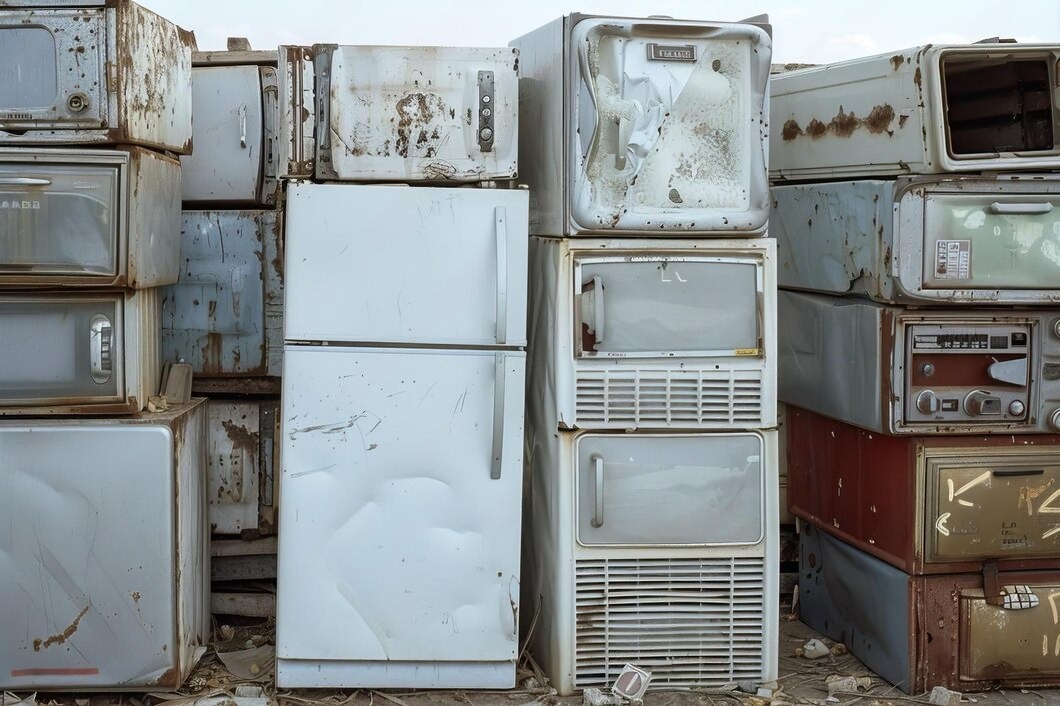
Large Appliance and Refrigerator Disposal: Safe, Eco-Friendly Ways to Get Rid of Big Stuff
Removing old or broken appliances can feel overwhelming, especially when they are bulky, heavy, or require special handling. Junk Masterz offers a simple solution by helping you clear out unwanted appliances safely and responsibly while keeping the disposal process easy and stress free.
Why Proper Large Appliance Disposal Matters
Improper disposal of heavy appliances can cause environmental harm, create safety risks, and lead to legal penalties. Understanding the right way to manage these items ensures they are processed responsibly, protecting your home, community, and local environment from avoidable hazards.
Environmental Impact of Improper Appliance Disposal
When large appliances end up in landfills, harmful chemicals, metals, and refrigerants may leak into the soil and air. This contamination contributes to pollution and disrupts ecosystems. Proper disposal supports healthier communities by ensuring materials are handled and recycled with care.
Safety Risks of Handling Heavy and Hazardous Appliances
Large appliances pose risks when moved or dismantled incorrectly. Sharp edges, heavy parts, unstable weight, and hazardous components make removal unsafe without proper techniques. Safe handling methods reduce accidents, protect your property, and ensure appliances are disposed of without creating physical harm.
Types of Appliances that Require Special Disposal Methods
Not all appliances can be thrown away through regular waste collection. Many contain electrical parts, refrigerants, or metals that require specialized handling. Knowing which items need extra care helps ensure you choose the safest and most environmentally friendly disposal method available.
Refrigerators and Freezers Containing Refrigerants
Refrigerators and freezers contain refrigerants that must be removed carefully before recycling. These chemicals can cause environmental damage if released. Proper disposal ensures the refrigerants are captured, processed, and handled safely while the remaining materials are recycled whenever possible.
Washing Machines, Dryers, and Water Heaters
These appliances contain metal components, electrical wiring, and sometimes water filled parts. They require proper draining and disconnecting before removal. Responsible disposal keeps these materials out of landfills and allows valuable metals to be recovered through recycling programs.
Stoves, Ovens, and Microwaves
Cooking appliances often contain heating elements, electronic parts, and insulated materials that must be separated safely. Proper handling ensures these components are either recycled or discarded in accordance with environmental guidelines, reducing unnecessary waste and supporting responsible processing.
Eco-Friendly Ways to Dispose of Large Appliances
Environmentally conscious disposal options help reduce landfill waste, conserve resources, and support community recycling efforts. Choosing eco friendly methods also ensures hazardous materials such as refrigerants and electronics are managed safely, protecting both humans and the environment.
Appliance Recycling Programs and Drop Off Centers
Many communities offer recycling programs designed to accept large household appliances. These centers extract metals, remove chemicals, and process parts for reuse. Recycling reduces the environmental footprint while ensuring each component is handled responsibly and kept out of local landfills.
Donating Working or Repairable Appliances
If your appliance still functions or can be repaired, donating it helps reduce waste while supporting local families and organizations. Many nonprofit groups accept appliances in usable condition, ensuring they find new homes instead of being discarded unnecessarily.
Scheduling an appliance disposal pickup for Safe Handling
Booking an appliance disposal pickup ensures the safe removal of heavy items without personal risk. Professionals manage the lifting, transport, and environmentally responsible processing. This method offers convenience while guaranteeing your appliance is handled safely and in line with local guidelines.
• Benefits of scheduled pickups
• Items accepted in most pickup programs
• Environmental advantages
• Safety improvements during removal
How to Prepare Your Appliances for Disposal
Preparing an appliance correctly makes removal smoother and safer. A few simple steps help prevent damage during pickup and ensure the appliance is ready for recycling or donation. Proper preparation also protects the movers and ensures compliance with disposal guidelines.
Cleaning and Disconnecting Appliances Safely
Before disposal, appliances should be cleaned, disconnected from power sources, and prepared for easy removal. Taking these steps helps prevent leaks, electrical hazards, or accidental injuries. Proper preparation also allows disposal teams to handle the appliance more efficiently.
• Disconnect from power sources
• Drain water and remove loose parts
• Keep doors secured
• Clear path for movers
Identifying Hazardous Components Before Removal
Many appliances contain chemicals, wiring, or electrical parts that require special attention. Identifying these components helps prevent accidents and ensures proper disposal. Recognizing hazardous materials also guides you toward the most responsible recycling or processing options available in your area.
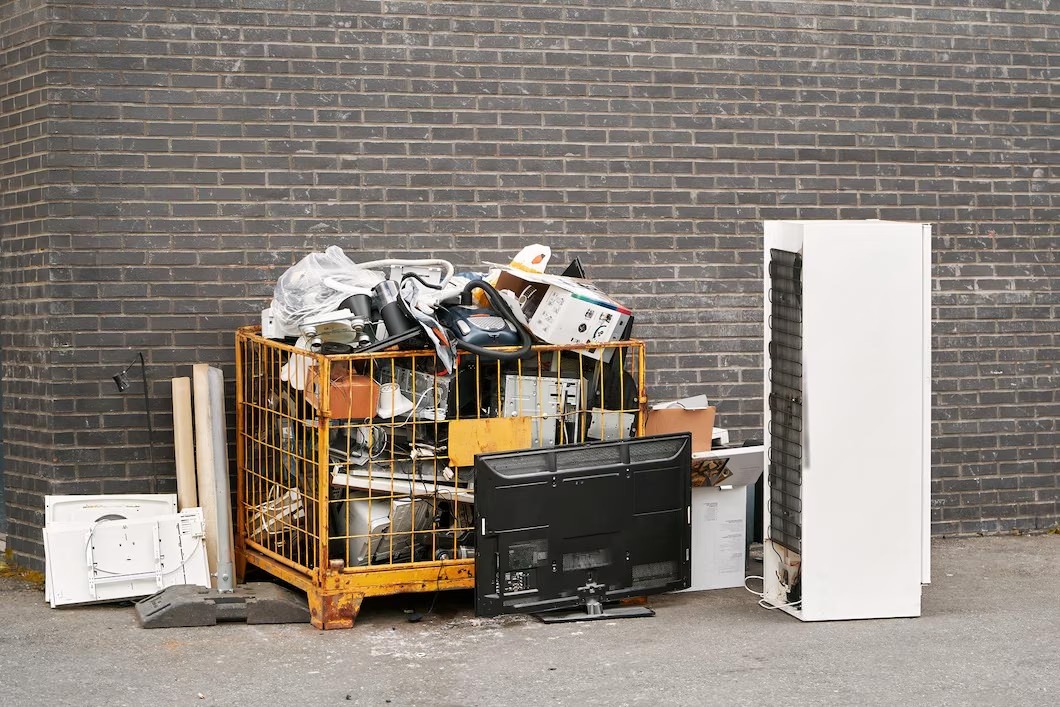
What to Expect During a Professional Appliance Disposal Pickup
Professional disposal services offer a safe and organized process designed to remove large appliances without hassle. They manage the evaluation, lifting, transport, and responsible processing, ensuring your appliance is handled carefully from start to finish while preventing risks during removal.
On Site Evaluation and Safe Removal
The disposal team begins by assessing the appliance and planning the safest removal method. They use proper tools and lifting techniques to protect your home and themselves. This careful approach ensures the appliance is removed efficiently and without damage to your space.
Transportation and Eco Friendly Processing
After removal, the appliance is transported to a certified facility where recyclable materials are separated. Hazardous components are processed according to environmental standards. This ensures the appliance is managed responsibly and supports eco friendly waste reduction efforts in your community.
Junk Masterz: Stress Free Appliance Removal Made Simple
Upgrading your appliances or cleaning out the old and broken ones can be difficult without the right help. Junk Masterz offers fast, safe, and responsible appliance removal so you avoid heavy lifting, hauling, and disposal concerns.
The team follows strict environmental guidelines, recycling whenever possible and ensuring refrigerants and electronic parts are processed properly.
Working appliances may even be donated to community organizations, helping reduce waste while supporting local families.
Common Mistakes to Avoid During Large Appliance Disposal
Simple errors during appliance disposal can lead to environmental damage, safety issues, or unnecessary waste. Understanding the most common mistakes helps you avoid problems and ensures your appliance is handled responsibly from the moment it leaves your home until final processing.
• Leaving refrigerants unchecked
• Throwing appliances in general waste
• Improper lifting techniques
• Ignoring donation opportunities
Frequently Asked Questions (FAQs)
1. How do you know if an appliance is safe to recycle?
Check for working components, metal frames, and recyclables such as wiring and motors. Many appliances qualify for recycling as long as hazardous elements like refrigerants are removed safely. Certified recycling centers can evaluate your appliance and determine the most responsible disposal method.
2. What should you do before scheduling appliance disposal pickup
Before scheduling a pickup, disconnect the appliance, remove loose items, clean the interior, and ensure the path to the door is clear. These steps help prevent accidents and allow the disposal team to remove the appliance quickly and safely without complications.
3. Can refrigerators be disposed of without removing refrigerants
Refrigerators must have refrigerants removed before disposal. These chemicals require special handling due to environmental regulations. Certified technicians can remove refrigerants safely, ensuring the appliance is processed correctly and preventing harmful substances from entering the environment.
4. What happens to appliances after professional pickup
After pickup, appliances are examined and sorted at a processing facility. Recyclable metals and components are separated, hazardous materials are removed safely, and usable parts may be repurposed. This process supports responsible waste management and reduces landfill contributions.